Glimpses from Palestine
Since 1948, Palestinian refugees have been unable to return home, and most of their villages have been demolished. This VR application lets users travel through today's Palestine and back in time, into villages digitally rebuilt from old photographs and maps.
- Context
- Research project, Universität Siegen
- What we did
- Research, design, 3D reconstruction, build, evaluation
- Tech
- Unity · mobile VR · photogrammetry · 360° video
- Methods
- Diaspora interviews, expert interviews inside VR, thinking aloud, usability testing
- Outcome
- Built, tested in public, published at ACM

A homeland you can only remember
For the refugees of 1948 and their descendants, return is impossible, the villages are largely demolished, and with each generation the living memory of those places fades.
The design question was delicate: can immersive technology carry a place that no longer exists to the people who are not allowed to stand in it? Not an entertainment brief. It demanded historical accuracy, emotional care and a method that put the diaspora's own memories at the center.
Interviews across the diaspora
Every decision was grounded in qualitative data, following a design case study methodology.
- Interviews with Palestinians in the diaspora, including people who had lived in the demolished villages.
- Interviews with non-Palestinians to check assumptions from the outside.
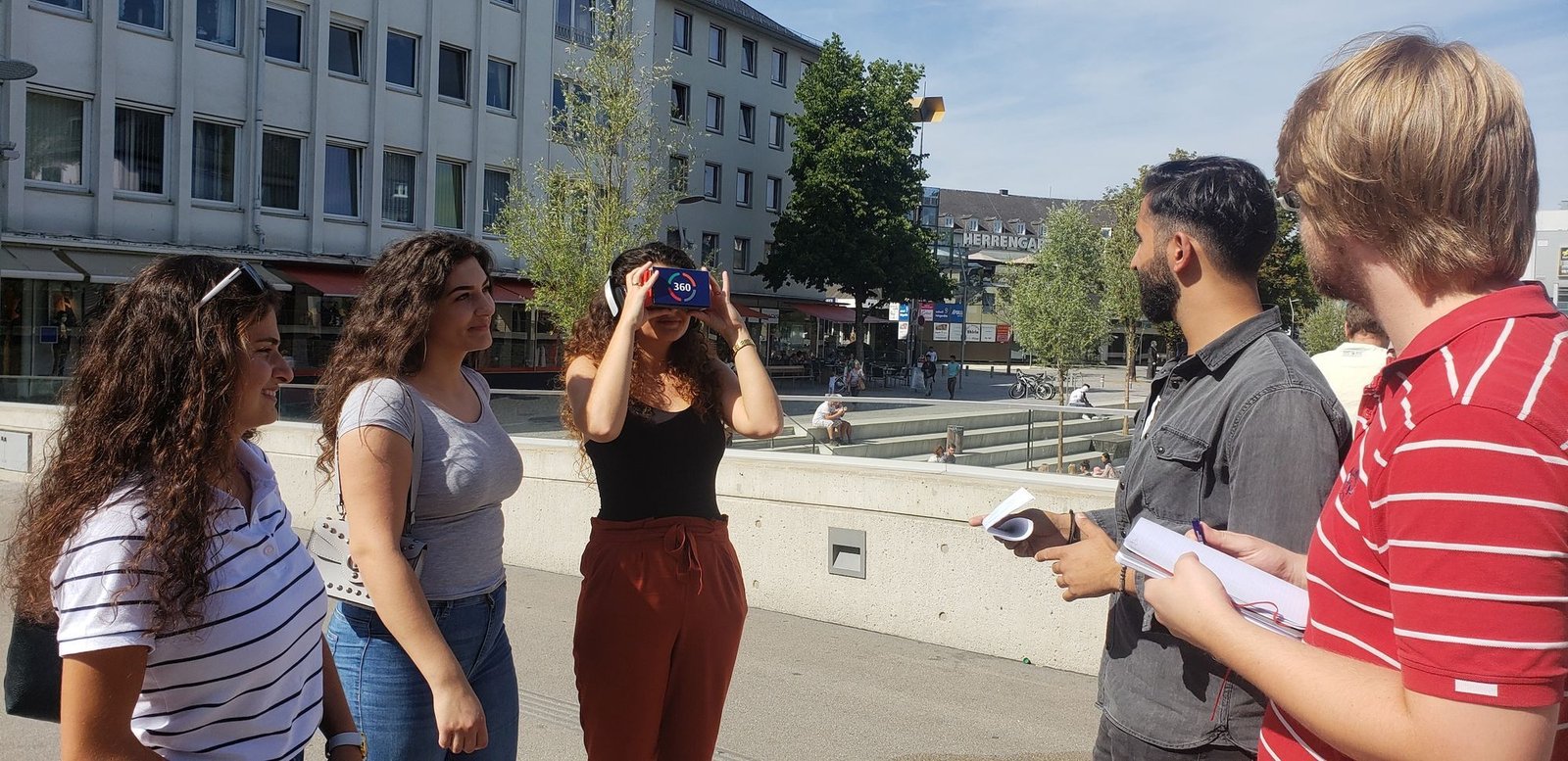
- Expert interviews conducted inside VR: evaluating the medium with the medium.
- Thinking aloud as people moved through the prototype.
Travelling in space, and in time
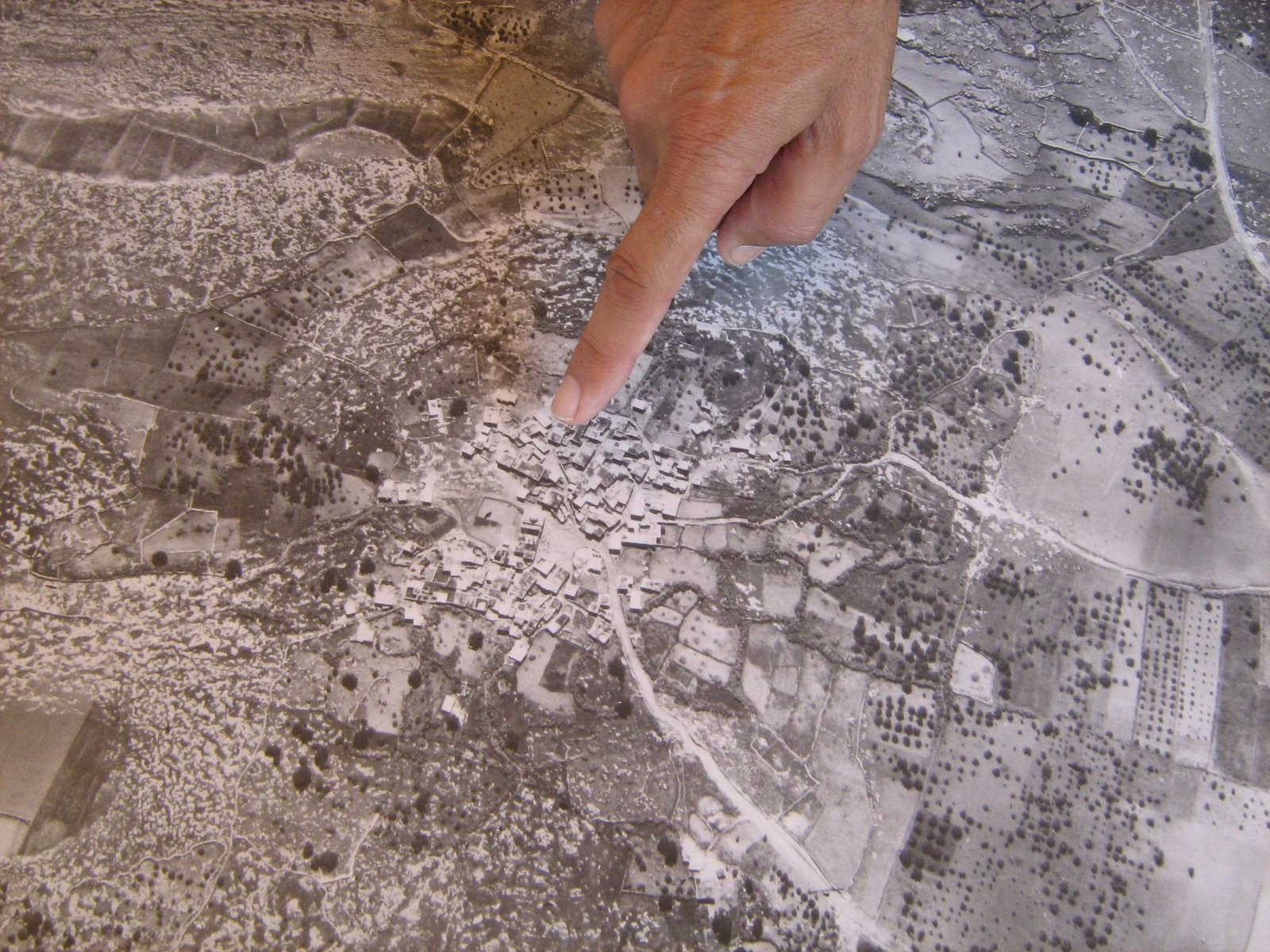
Two journeys. The first moves through space: 360° video from cities across Palestine today, places most users cannot physically reach. The second moves through time: villages that no longer exist, remodeled in 3D from old photographs and historical maps and placed at their true locations. A reconstruction, not an imagination.
Capture combined photogrammetry and 360° video. The central UX challenge was stitching massive environments into a navigable narrative without simulator sickness, with embedded oral histories playing as people explore. Mobile VR was deliberate: the audience is a global diaspora, so it had to run on hardware people actually own.
The brief was never 'build a VR app.' It was: return a demolished village to the people who remember it.
design intent
From idea to tested prototype, to the literature
Research question, interviews, experience design, build and usability testing, closed as one loop and finished as a working artifact rather than a slide deck. The research was later published at ACM as Glimpses from Palestine: Preserving the Inaccessible in VR Technology.